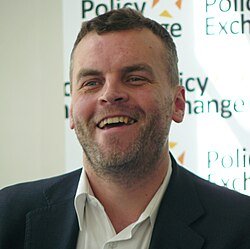
Public discussions about health and burnout have become more common in recent years. Many people now talk openly about stress, exhaustion, and emotional pressure in demanding careers. One topic that has drawn attention is the conversation around Tim Montgomerie and his experiences with exhaustion and emotional strain in public life.
Tim Montgomerie is a British political activist, columnist, and commentator in the United Kingdom. He is known for his work in political media and public debate. Over time, his demanding schedule and high profile career have sparked discussions about burnout in political journalism and commentary.
When public figures speak about exhaustion or emotional challenges, people begin to look more closely at the pressures of their professions. The discussion surrounding Tim Montgomerie health problems has highlighted how intense media schedules and public scrutiny can impact personal wellbeing. This conversation reflects a broader issue affecting many professionals in political media careers.
This article explores how public attention on burnout and exhaustion in political media has grown. It also examines how discussions around Tim Montgomerie have helped raise awareness about mental health and work life balance in high pressure environments.
Understanding Burnout in Political Media Careers
What Burnout Means in Public Life
Burnout happens when stress builds over time. It often comes from heavy workloads, constant deadlines, and emotional pressure. People in public facing careers may experience burnout more often.
In political media, schedules are fast and demanding. Commentators and analysts must respond quickly to news events. They often work long hours and face public criticism. These conditions can lead to physical and emotional exhaustion.
The discussion around Tim Montgomerie has drawn attention to these challenges. When he spoke about feeling exhausted, many observers began talking about burnout in political journalism. This shows how personal experiences can highlight broader workplace issues.
Pressure of Constant Public Engagement
Political commentators must stay active in public discussions. They appear on television, write articles, and engage with audiences online. This constant engagement can be tiring.
Public figures often feel pressure to maintain a strong presence. They must respond to debates and keep up with political changes. Over time, this can lead to fatigue.
The experience of Tim Montgomerie reflects the demands of this environment. His busy media schedule and public role show how intense these careers can be. This has encouraged conversations about managing workload and protecting mental health.
Media Workload and Emotional Strain
Impact of Heavy Media Schedules
A demanding media schedule can affect both physical and mental health. Long working hours leave little time for rest. Frequent appearances and deadlines add pressure.
Political media professionals must stay informed and responsive. They often work early mornings and late nights. This routine can lead to exhaustion.
Public discussion about Tim Montgomerie health problems has highlighted this issue. Observers have connected his exhaustion to the demands of his media work. This connection has sparked wider conversations about burnout in journalism and commentary.
Emotional Challenges of Public Debate
Political commentary often involves strong opinions and public reactions. When commentators express views, they may face criticism or backlash. This emotional pressure can be difficult to manage.
Changes in political alignment or public stance can also bring stress. Public figures may experience criticism from former colleagues or supporters. This can create emotional strain.
Discussions about Tim Montgomerie have touched on these challenges. His experiences show how emotional pressure can affect wellbeing. They also highlight the need for supportive environments in public facing careers.
Public Scrutiny and Personal Wellbeing
Role of Public Attention
Public attention can be both positive and challenging. Recognition brings opportunities, but it also increases scrutiny. Every statement or decision may be analyzed by audiences.
For political commentators, this level of attention is constant. They must manage public reactions while maintaining professionalism. This balance can be stressful.
The conversation around Tim Montgomerie health problems reflects this reality. It shows how public attention can influence personal wellbeing. When audiences see the human side of public figures, they gain a better understanding of these pressures.
Importance of Emotional Resilience
Emotional resilience helps individuals cope with stress. It allows them to manage criticism and maintain confidence. Public figures often develop strategies to stay balanced.
Support from family, colleagues, and professional networks can help. Taking breaks and setting boundaries also support wellbeing. Discussions about burnout encourage people to adopt these strategies.
By sharing experiences of exhaustion, public figures like Tim Montgomerie help normalize conversations about mental health. This openness can inspire others to seek balance and support.
Changing Attitudes Toward Mental Health
Growing Awareness in Media and Politics
Mental health awareness has grown significantly in recent years. More people now recognize the impact of stress and burnout. Workplaces are beginning to address these issues.
In political media, this awareness is especially important. Professionals face constant deadlines and public scrutiny. Recognizing burnout helps create healthier work environments.
The discussion surrounding Tim Montgomerie has contributed to this awareness. It has encouraged conversations about workload, recovery time, and emotional wellbeing. This reflects a broader shift toward supportive workplace cultures.
Encouraging Open Conversations
Open discussions about health and burnout reduce stigma. They make it easier for individuals to seek help. Public figures who speak about exhaustion or stress help start these conversations.
When audiences hear about burnout in political media, they understand the pressures involved. This understanding leads to empathy and support. It also encourages organizations to prioritize well-being.
The attention given to Tim Montgomerie health problems shows how public conversations can drive change. It highlights the importance of addressing stress and promoting balance in demanding careers.
Solutions for Managing Burnout in Political Media
Promoting Work Life Balance
Work life balance is essential for long term wellbeing. It allows professionals to rest and recharge. Balanced schedules help prevent exhaustion.
Political media organizations can support this by encouraging reasonable workloads. Allowing time for recovery improves productivity and health. Flexible schedules and supportive environments also help.
Public discussions about burnout emphasize these solutions. They encourage both individuals and organizations to take action.
Building Supportive Professional Environments
Supportive workplaces play a key role in preventing burnout. Open communication allows employees to share concerns. Access to mental health resources provides additional support.
Mentorship and teamwork also reduce stress. When professionals feel supported, they are more resilient. These strategies benefit both individuals and organizations.
The experiences associated with Tim Montgomerie highlight the importance of these measures. They show that addressing burnout requires collective effort.
Conclusion
Public discussion around Tim Montgomerie health problems has highlighted burnout in modern political media careers. His experiences reflect the pressures faced by many professionals in public facing roles. Heavy workloads, constant scrutiny, and emotional strain all contribute to exhaustion.
As awareness grows, conversations about mental health and work life balance are becoming more common. These discussions encourage healthier workplace practices and supportive environments. They also remind audiences that public figures are human and experience challenges like anyone else.
The story of Tim Montgomerie shows how personal experiences can spark broader conversations. It highlights the importance of recognizing burnout and promoting wellbeing in demanding careers. By addressing these issues openly, society can support healthier and more sustainable professional lives.
FAQS:
Tim Montgomerie is a British political commentator, journalist, and media figure known for his work in political analysis and broadcasting. He has been active in shaping political discussions across modern media platforms.
Public discussions about the health of Tim Montgomerie have drawn attention because they highlight the intense pressures faced by political commentators working in fast paced media environments
The conversation around Tim Montgomerie shows how constant deadlines, public scrutiny, and high pressure analysis can lead to mental and physical exhaustion, which are common signs of burnout in political media roles.
Burnout often results from long working hours, continuous news cycles, and the need to respond quickly to political developments. The experiences linked to Tim Montgomerie highlight these challenges within modern political media careers.
Audiences are becoming more aware of mental health and workplace stress. Public conversations about figures like Tim Montgomerie help bring attention to the importance of well being in demanding careers.